
Six-time NBA All-Star and NBA champion Jayson Tatum ruptured his Achilles in May of this year during the playoffs, and in September, he was already back on the court putting up shots. But how was this possible? It usually takes six months for a normal person to recover from an Achilles tear, but Jayson Tatum managed to do it in three and a half. The answer to this question is smart recovery, training, and technology, and I will be going over some methods and examples on how you can take care of your body like pro athletes do.
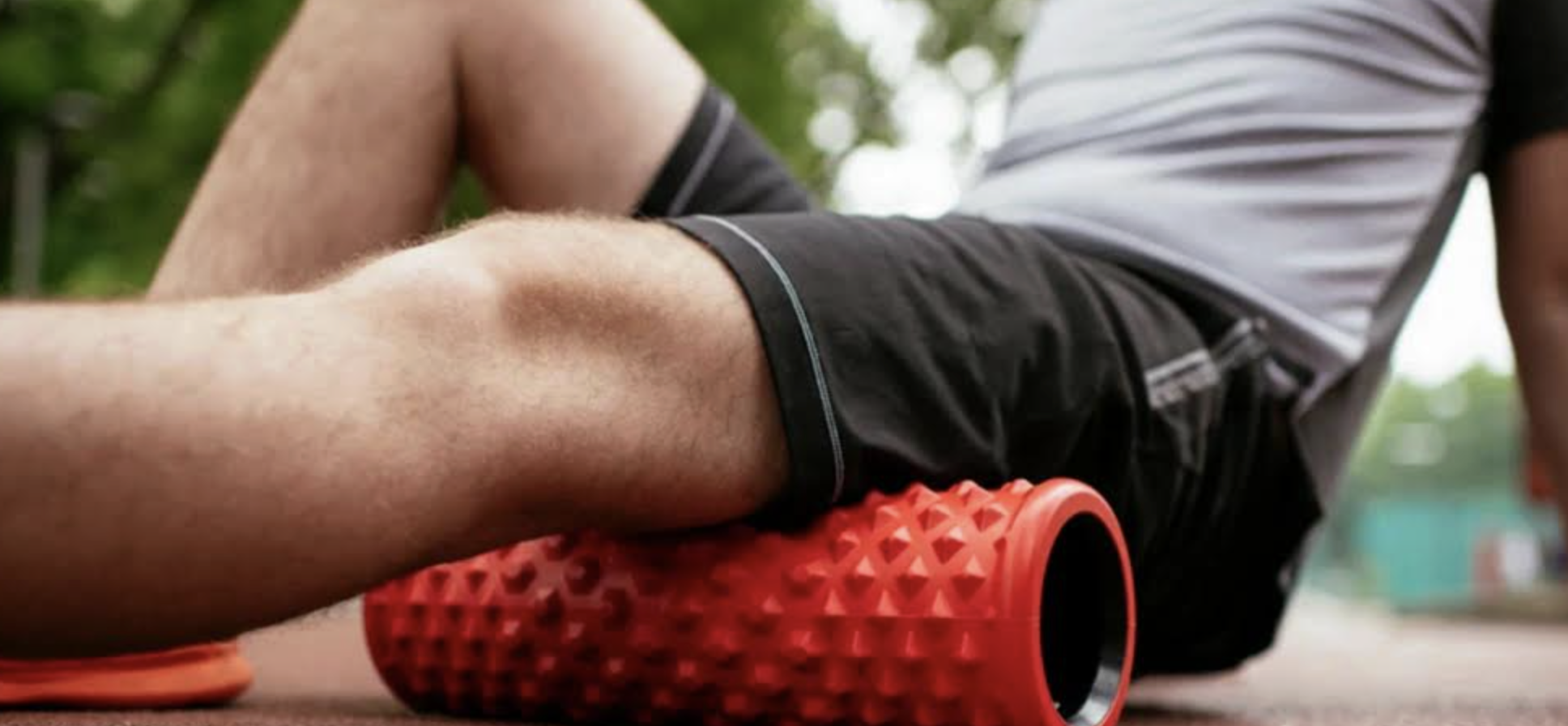
One common method that pro athletes use to recover from exercise is electrical stimulation, where short pulses of electricity are sent into specific parts of the body to either contract muscles and increase blood flow, or to block pain signals travelling to the brain. Research shows that electrical stimulation can help athletes recover faster. For example, a study done by John K Malone, a researcher at Liverpool Hope University, found that athletes who used neuromuscular electrical stimulation (NMES) after a hard sprint session had better jump performance the next day and reported less muscle soreness compared to those who didn’t use it. Another study done by Nicola A. Maffiuletti, a Neuromuscular researcher in Zurich, found that while results can vary, NMES may help reduce muscle damage and support quicker recovery in some cases. However, this type of equipment is expensive and not easily accessible for students. Thus, one feasible alternative is foam rolling. Foam rollers are cheap, easy to find, and simple to use. While they aren’t as advanced as electrical-stimulation machines, research still shows they can help with recovery. A meta-analysis done by Thimo Wiewelhove, faculty of sports science at Ruhr University, found that foam rolling after exercise reduced muscle soreness and slightly improved strength and sprint performance during recovery. Another study done by Takanobu Okamoto, a researcher in the department of exercise physiology at Nippon Sports Science University, showed that foam rolling increased blood flow in the thigh muscles by over 70% right after rolling, which helps deliver nutrients and remove waste from the muscles. Because of this, foam rollers are an effective and affordable way for student athletes to recover and support muscle repair.
Another recovery method which is commonly used by athletes is active recovery. The vast majority of people associate recovery with relaxation, and although this is true, there is another type of recovery, which involves light movement and activity, such as light walks or jogs. Going on a light jog after intense exercise can increase blood flow in the muscles, which leads to a faster waste removal process. During active recovery, waste such as lactate and hydrogen is moved from the muscles to the blood, which is then broken down and used for energy or excreted. This removal of waste, especially lactate, can help student athletes feel less sluggish and sore after intense exercise, as lactate is what causes soreness in the muscles. According to a study done by James J Tufano, a researcher at Edith Cowan University, it was shown that active recovery reduces muscle soreness in the days following exercise, which can lead to a faster return to peak performance. Student athletes could easily incorporate this into their exercise routines, as a brief, ten-minute walk or jog after exercising could help athletes reach their peak performance potential consistently. This method is significantly better for student-athletes at our school, as practices happen every day except for Mondays, which necessitates a fast recovery time for athletes.
Lastly, high-performance athletes use cryotherapy chambers to reduce muscle soreness, decrease inflammation, and relieve pain. Whole body cryotherapy (WBC) helps reduce muscle soreness by slowing down nerve signalling that goes towards the brain, and this reduces the amount of soreness moments after exercise (Fonda et al. 2013, J. Strength & Conditioning Research). Another benefit is reduced inflammation. Due to the extremely cold temperatures inside a cryotherapy chamber, the blood vessels in the body constrict, which reduces the amount of pro-inflammatory cytokines produced by the body and reduces blood flow. This reduced blood flow then greatly increases after reheating the body, which speeds up the removal of metabolic waste from the body, promotes tissue repair, and reduces soreness and inflammation quickly (Pournot et al. 2011, Eur J Appl Physiol). However, cryotherapy chambers are simply too expensive and inefficient for any high school athlete to afford and use on a daily basis. Thus, one alternative to cryotherapy is ice baths and cold showers. Cold water is the only thing necessary, making this method accessible to every student-athlete at KIS. Taking a cold shower for ten to fifteen minutes after practices and games can have a huge impact on recovery times and muscle soreness, not to mention, cold showers have other benefits that come with them. According to the Cleveland Clinic, taking cold showers can increase alertness and unclog pores in the skin. Therefore, a simple and effective alternative for student athletes can be cold showers.
In the end, the recovery methods used by professional athletes might seem unreachable, but many of their benefits can be replicated with simpler, more accessible alternatives. While pros rely on advanced tools like electrical stimulation, cryotherapy chambers, and personalised training programs, student athletes can still speed up muscle repair, reduce soreness, and improve performance through options such as foam rolling, active recovery, and cold showers. These strategies all work toward the same goal: increasing blood flow, removing waste from the muscles, and managing inflammation so the body can bounce back faster. By using these practical and affordable techniques consistently, high school athletes can take care of their bodies more effectively and perform at their best, just like the professionals they look up to.
Leave a Reply